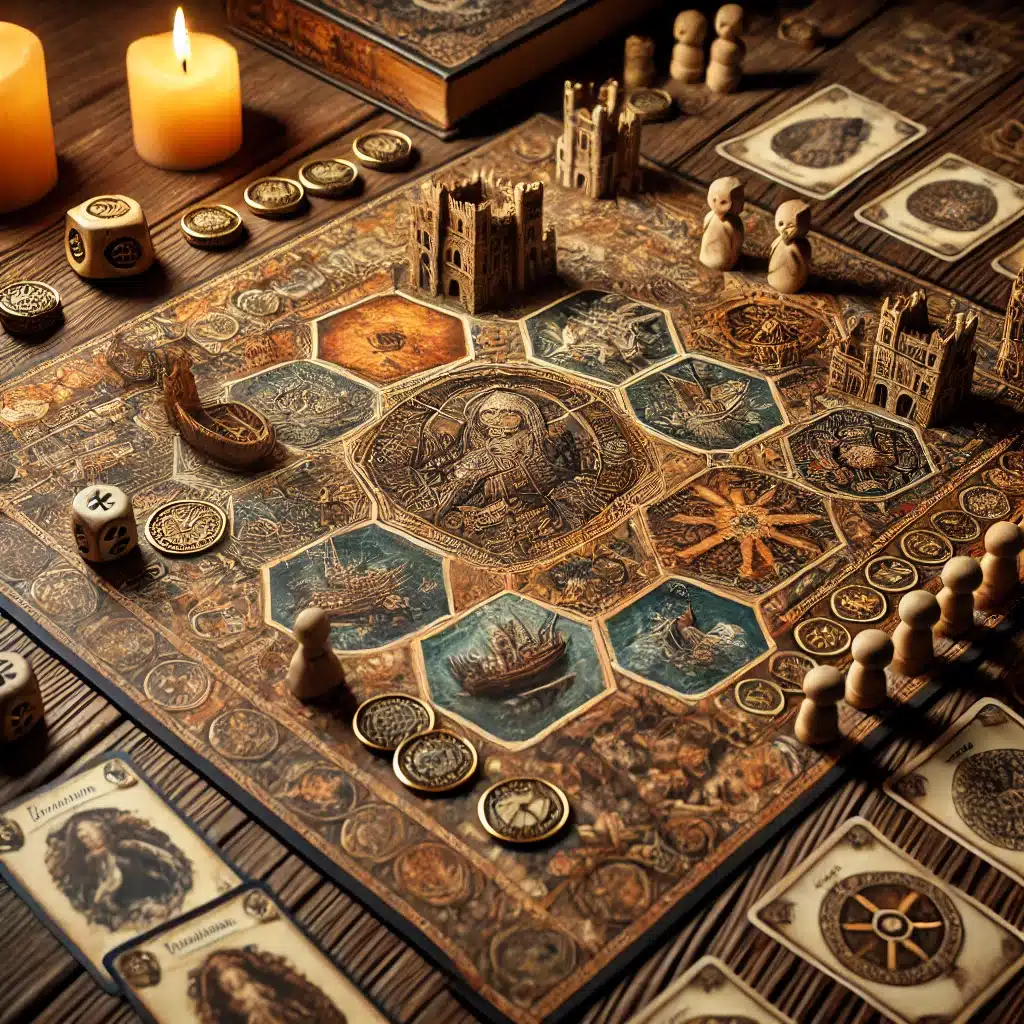
The Real Magic of Tabletop Games
At The Koinonia, we believe that purposeful games are a crucial component of rehabilitation. While a game of checkers teaches strategy, a game of collaborative, narrative role-playing—like Dungeons & Dragons and similar TTRPGs—offers something much deeper: a safe space to become a hero.
Recent peer-reviewed research confirms what therapists are increasingly discovering: TTRPGs are powerful tools for mental wellness. They are being used in clinical settings to treat anxiety, trauma, and social deficits, providing the perfect blueprint for building essential skills in a correctional environment.
https://pmc.ncbi.nlm.nih.gov/articles/PMC12023950
A Laboratory for Life Skills
For justice-involved individuals, TTRPGs offer a unique form of therapy and training:
- Rehearsing Reality Through Fantasy: Players create and embody characters, stepping into roles often vastly different from their real selves. A person who struggles with assertiveness can play a confident, diplomatic leader. This safe identity exploration allows individuals to test new pro-social behaviors and emotional responses without fear of real-world consequences.
- Collaboration is Survival: Unlike competitive games, TTRPGs are fundamentally cooperative. Success hinges on the group working together. This necessitates open communication, active listening, and compromise—skills that are severely underdeveloped in an environment built on isolation and distrust. The game forces the formation of genuine camaraderie (Koinonia) and a powerful sense of belonging.
- Mastering Emotional Dragons: The game is full of unexpected setbacks—a bad dice roll, a sudden ambush, a plan gone wrong. This dynamic environment is a training ground for emotional regulation and resilience. When a character fails, the player must manage the frustration and adapt their thinking, building the cognitive flexibility required to navigate challenges on the outside.
From Character Sheet to Release Plan
The therapeutic power of these games comes from their ability to help players externalize their struggles. A character’s fear or trauma can be explored from a safe, fictional distance. Through collaborative storytelling, residents can reframe their personal narratives, allowing them to process difficult emotions and regain a sense of agency over their own lives.
The transformation of San Quentin shows that correctional culture is changing. We must move beyond simple confinement to providing the tools for deep, behavioral change. By bringing these evidence-backed, collaborative role-playing games into facilities, The Koinonia isn’t just offering a few hours of escape; we are offering an opportunity to practice becoming the hero of one’s own reentry story.
Donate today to replace isolation with connection. Help an incarcerated person plan for a new future. Your gift supports programs that teach vital life skills and reduce recidivism.
 using WordPress and
No responses yet