
Our mission is to partner with correctional facilities and game manufacturers to provide
real-world, social board games to correctional facilities that encourage personal development, foster teamwork, and create fellowship opportunities. Through these engaging experiences, we aim to positively impact mental health, foster cognitive development, support rehabilitation, promote positive change, and empower those incarcerated to build a path toward a brighter, healthier future.
THE PROBLEM
the isolation
Correctional facilities are defined by isolation and a lack of constructive stimulation. For the nearly 6.9 million individuals cycling through U.S. jails and prisons, the environment fosters loss of autonomy, anxiety, and a profound separation from the essential social and cognitive skills that are necessary for a successful return to society. Without meaningful engagement, stress and negative coping mechanisms often take root. High rates of recidivism often stem from a profound lack of preparation for real-world social interaction.
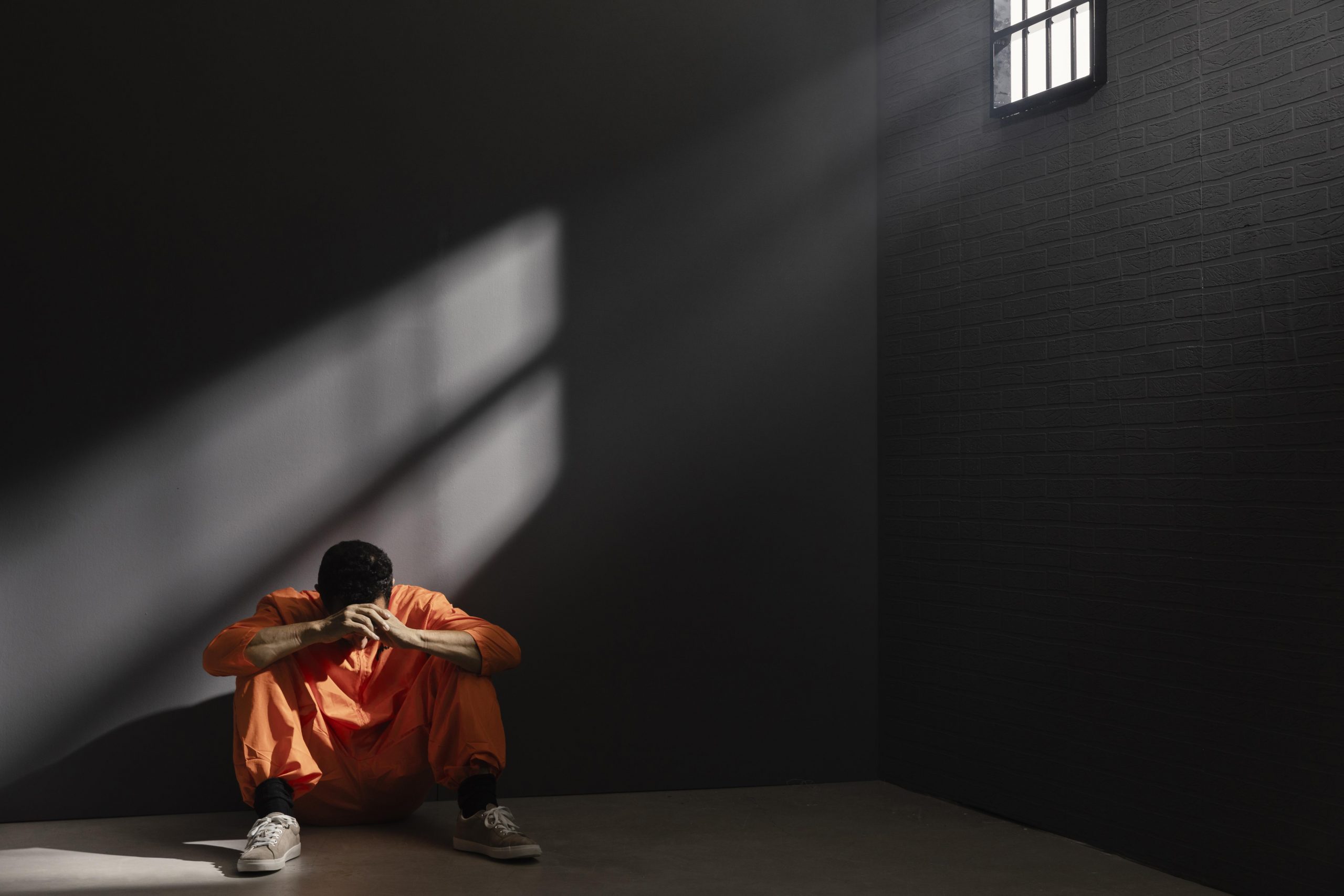
The Challenges of Incarceration
In correctional facilities, the loss of control, isolation, and routine monotony severely impact an inmate’s psychological health and social skills.
Mental Health Crisis
Estimates suggest that 15% to 30% or more of incarcerated individuals experience symptoms of depression during their time in prison. Pre-existing conditions like PTSD and anxiety are also significantly higher than in the general population.
Social Disconnection
Loss of family and social networks is a major stressor, often cited as the most difficult aspect of confinement. This separation contributes to hopelessness and despair.
Lack of Constructive Activity
Boredom and a lack of mental stimulation can lead to extreme stress, anger, and the use of unhealthy coping mechanisms.
The Recidivism Reality
Though improving, approximately two-thirds of released prisoners are rearrested within 3 years, highlighting the massive need for effective rehabilitation and life-skill development during confinement.
THE SOLUTION
the games
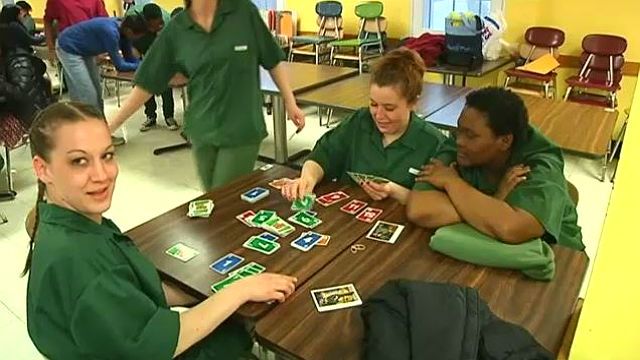
We believe in the power of Koinonia — of genuine fellowship. Social board games offer a structured, safe, and positive environment to reconnect. They are more than just recreation; they are tools for teaching patience, communication, critical thinking, and empathy.
Mental Health & Social Benefits of Play
Board games are a form of rehabilitation through recreation. They provide a low-stakes, high-engagement therapeutic tool that addresses the core challenges of confinement:
Cognitive Function & Stress Relief
Structured Focus: Requires sustained concentration and strategic thinking, acting as a productive distraction from the daily stresses of the prison environment. They engage the prefrontal cortex, promoting executive function.
Emotional Regulation
Coping with Loss: Players must handle the ups and downs of winning and losing with grace and patience, practicing appropriate emotional responses in a safe setting.
Essential Life Skills
Social Diplomacy: Games require face-to-face interaction, verbal negotiation, taking turns, sharing, and compromise—all critical skills for employment and successful community reentry.
Building Empathy & Fellowship
Shared Experience: Whether competitive or cooperative, games break down social barriers, encourage positive communication, and create moments of genuine, constructive fellowship (Koinonia). They allow individuals to practice working toward a common goal or competing respectfully.
support the koinonia!
Donate today to replace isolation with connection. Help an incarcerated person plan for a new future.
A donation to The Koinonia is an investment in human dignity and public safety. You aren’t just buying a game; you are funding a meaningful connection, teaching essential reentry skills, and actively reducing the risk of recidivism. Your gift creates pathways to success.
For incarcerated individuals, isolation and the lack of constructive social outlets are major barriers to rehabilitation. Your support funds the delivery of purpose-driven tabletop games that directly address this.

Our Founder
“The Koinonia was founded on a simple, proven idea: Structured play is a powerful form of rehabilitation.”

Blog
Sed eget felis eget elit viverra sodales. Duis tortor et mauris facilisis, vulputate viverra magna vestibulum.
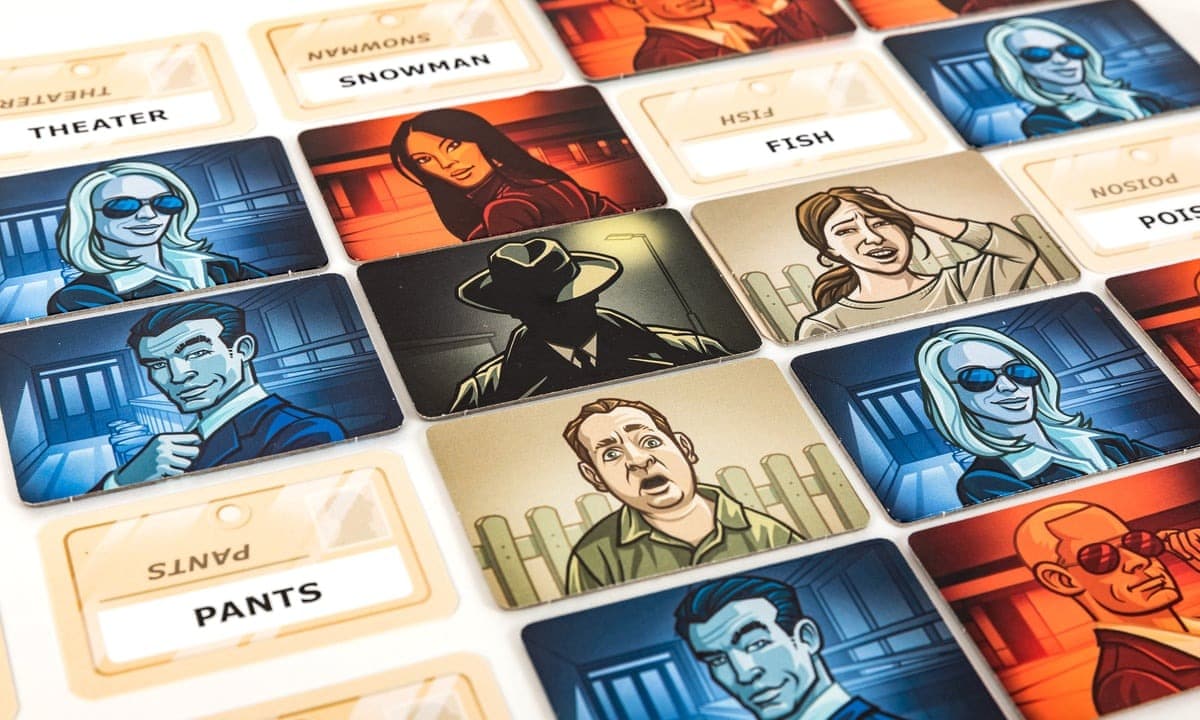
The Hidden Link: Board Games, Brains, and the Path to Reentry
More Than Mental Health: The Physical Power of Cognition At The Koinonia, we talk a lot about how tabletop[…]
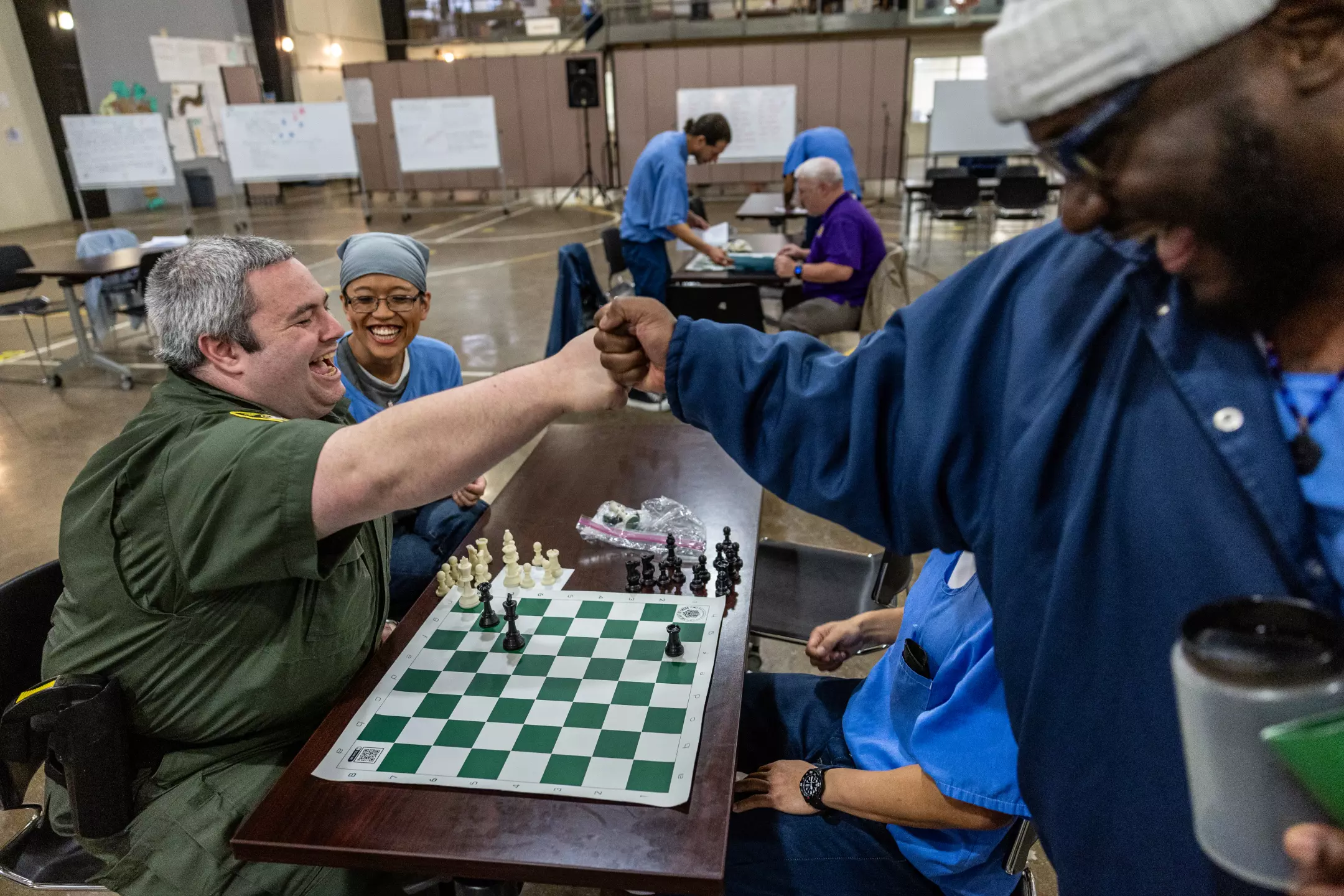
The Dignity Shift: Why “Good Morning” and a Board Game Are the Keys to Rehabilitation
For years, the culture inside correctional facilities was defined by control, command, and degradation. Now, at California’s oldest and[…]
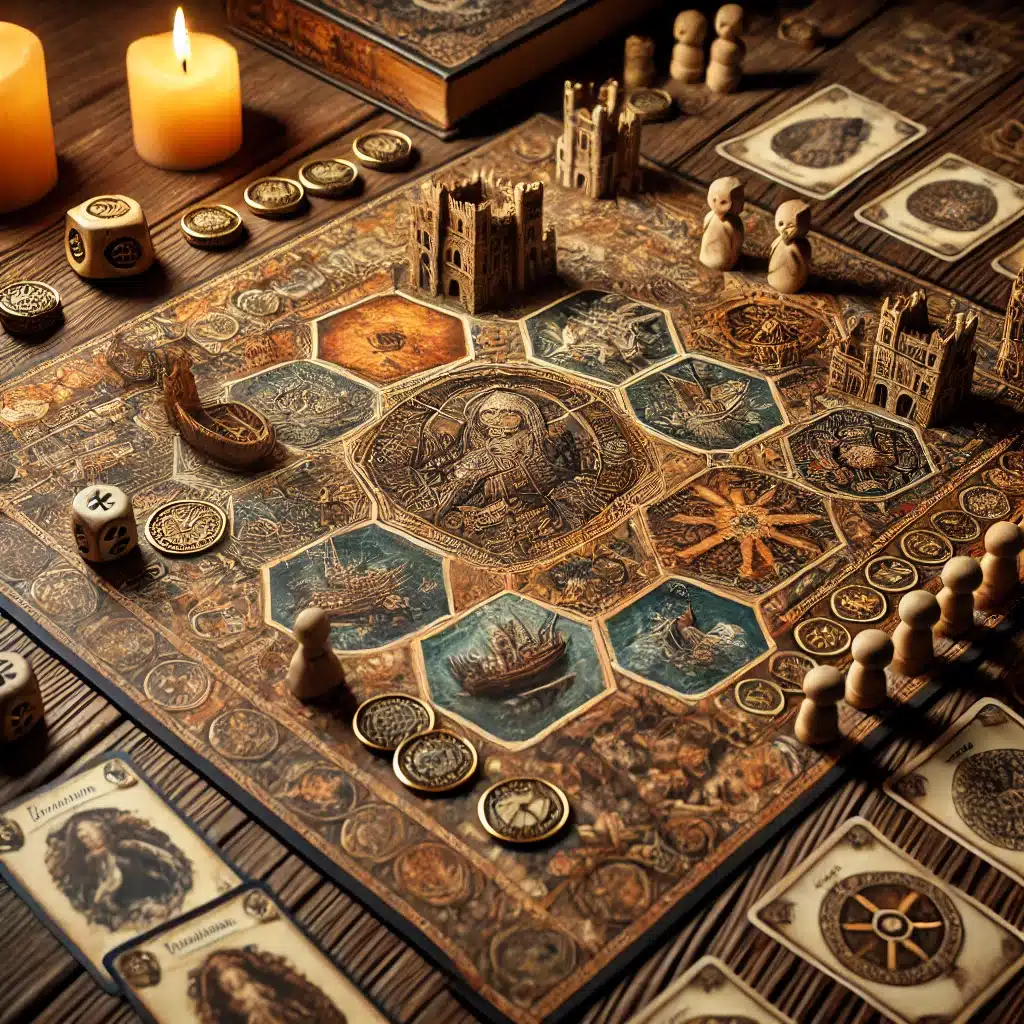
Beyond the Board: How Role-Playing Games Fight Isolation and Build Heroes
The Real Magic of Tabletop Games At The Koinonia, we believe that purposeful games are a crucial component of[…]
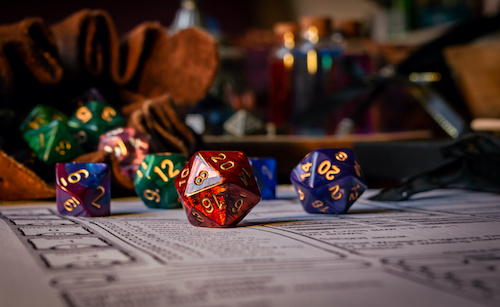
The Koinonia Language—How Dice Rolls Teach Communication
More Than Just Talking: The Intentional Practice of Social Skills The concept of Koinonia—true fellowship, community, and shared life—is[…]
 using WordPress and