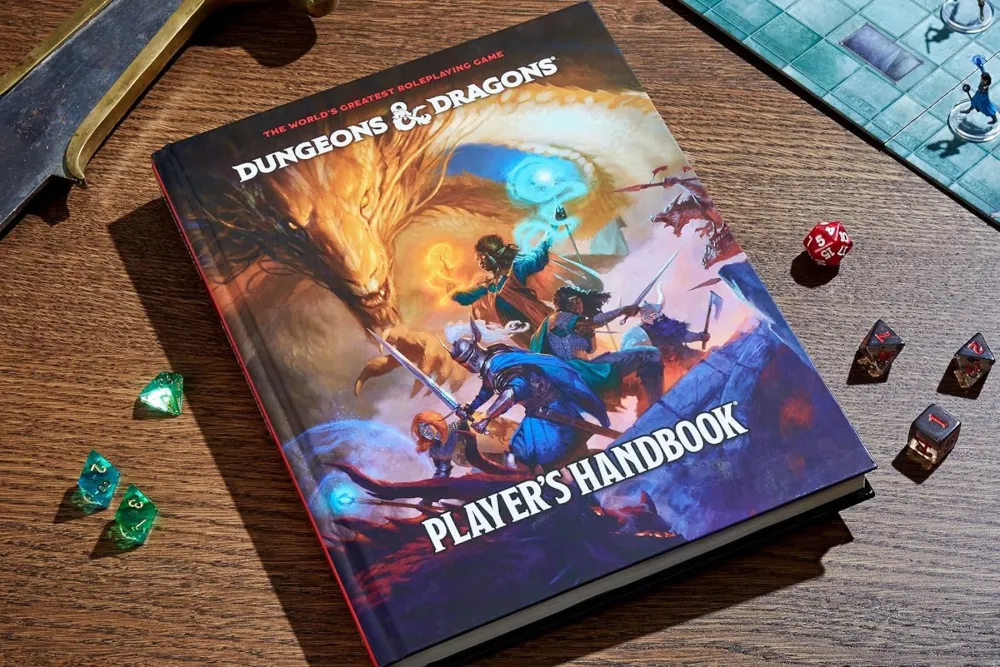
Research Backed: The Therapeutic Power of Tabletop Games
At The Koinonia, we are committed to finding effective, evidence-based ways to foster emotional growth and community connection within correctional facilities. This mission is now powerfully validated by clinical research published by the American Psychological Association (APA).
The findings are clear: Tabletop Role-Playing Games (TTRPGs)—the very type of collaborative, narrative-driven play we champion—show immense promise as a therapeutic intervention for anxiety, depression, trauma, and social skill deficits. This means that a few hours around a table, rolling dice and telling a story, is one of the most effective tools we have for preparing individuals for successful reentry.
The Game as a “Simulation Machine”
Why do these games work so well? As one clinical psychologist noted in the study, TTRPGs are essentially a “simulation machine.”
- Practicing the Hard Parts Safely: Life outside of prison requires constant risk, negotiation, and handling setbacks. In the game, players can “try on” new behaviors—like standing up for themselves or taking a leap of faith—and if they “mess up,” the consequences belong only to their character. This safe environment allows for repeated practice in taking risks and building self-esteem without the catastrophic weight of real-life failure.
- Processing Trauma at a Distance: For those struggling with trauma or anxiety, the game provides a crucial buffer. Rather than confronting painful memories directly, individuals can speak about their feelings and fears through their character. For example, a veteran with PTSD who is triggered by storms created a character that could summon rain, turning his fear into a source of power. This creative reframing is key to healing.
- Building the Koinonia Muscle: The APA emphasizes that TTRPG groups inherently require collaboration, communication, and conflict management. The group must work together to succeed. This dynamic builds the essential skills needed for strong, pro-social relationships and active participation in the community.
Turning Anxiety into Action
The research provides specific examples of how therapists use the game to address clinical symptoms:
- Anxiety & OCD: Therapists help players create “monsters” that represent their psychological struggles, like anxiety or obsession. By defeating the fictional monster, players reframe their thinking, realizing that their exaggerated worries are not grounded in reality—a lesson that transfers directly to real life.
- Flexibility & Empathy: For those with rigid thinking, the game’s unpredictable nature forces cognitive flexibility. Furthermore, creating and playing a character fosters profound empathy, as players concretely understand how another person feels in different situations.
This APA research confirms our belief: The Koinonia isn’t just about fellowship; it’s about providing a therapeutic framework where storytelling and collaboration heal old wounds and build the character necessary for a new, successful life.
Link to Source: Improving treatment with role-playing games
Donate today to replace isolation with connection. Help an incarcerated person plan for a new future. Your gift supports programs that teach vital life skills and reduce recidivism.
 using WordPress and
No responses yet